


Dry Mix Mortar: Complete Guide, Applications, and Benefits
July 26, 2025
 +86-13760801095
  Frank@jtbongroup.com
  Room 401,Building 18,N0.33,Kefeng Road,Huangpu District,Guangzhou, China


Understanding Shrinkage in Cement-Based Materials and the Role of Shrinkage Reducers
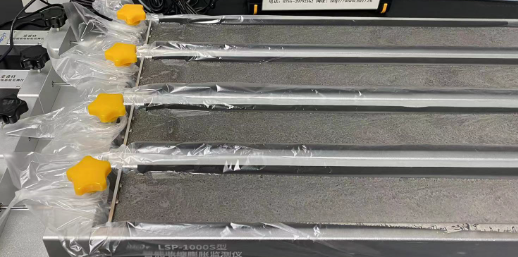
Shrinkage is a common and unavoidable phenomenon in cement-based materials such as mortar and concrete.
During the curing and hardening process, water gradually evaporates while hydration reactions take place inside the cement matrix.
As a result, the internal structure contracts, leading to a reduction in overall volume.
Excessive shrinkage can create several problems in construction applications.
These may include surface cracking, curling, loss of dimensional stability, and reduced durability of the finished structure.
Why Shrinkage Occurs in Cement-Based Systems
In cement-based mortars, shrinkage mainly occurs during: plastic phase and drying.
As water evaporates from the capillary pores, internal tension develops within the material.
At the same time, hydration reactions consume water and alter the microstructure of the cement paste.
When these internal stresses exceed the tensile strength of the material, visible cracks or deformation may appear.
The Function of Shrinkage-Reducing Additives
To mitigate these risks, Shrinkage Reducer additives are used in modern dry-mix mortar formulations.
These additives work by reducing plastic phase and port-drying shrinkage.
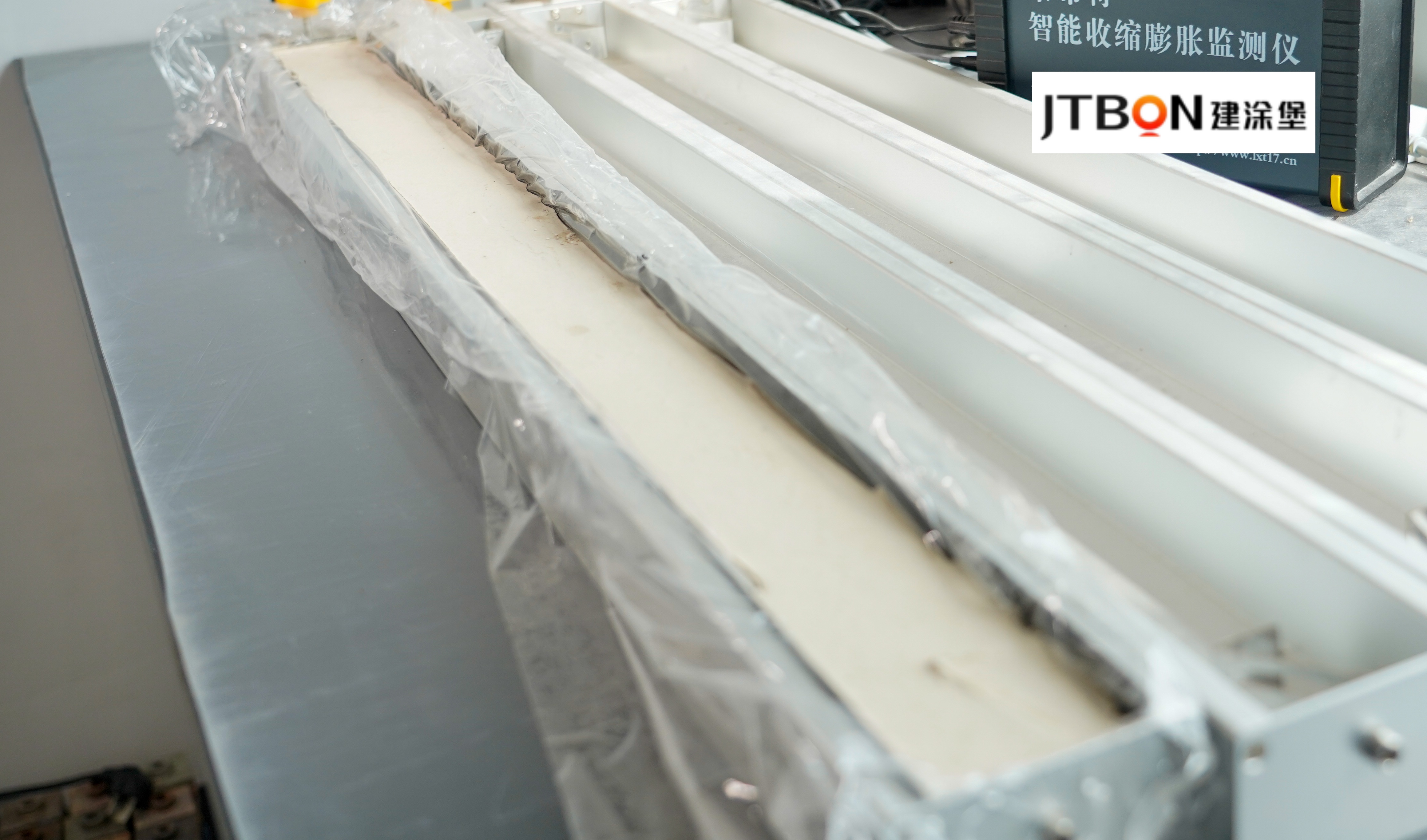
Applications of Shrinkage Reducers in Construction Materials
Shrinkage Reducer additives are widely applied in high-performance mortar systems where shrinkage control is particularly important.
Typical applications include:
l Self-leveling Compounds
l Cementitious Grouting systems
l Ultra-high-performance concrete (UHPC)
l Artificial stone and engineered stone products
l Various cement-based building materials
In these demanding applications, maintaining surface quality and structural stability is essential.
The use of shrinkage reducers helps ensure a more reliable performance and reduces the risk of defects after installation.